

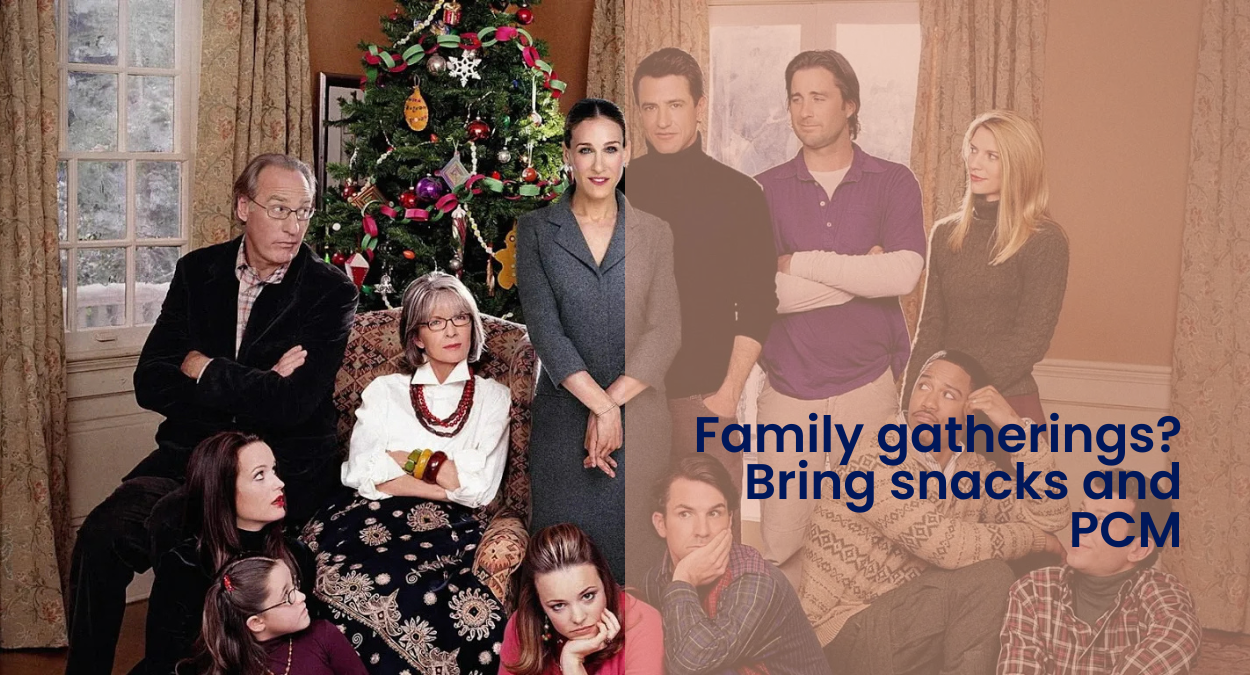
The end of the year brings its own familiar movie-like atmosphere: twinkling lights, festive meals, reunions, and… emotional turbulence. If you’ve ever watched The Family Stone, Home Alone, or the crazy Meet the Parents, you know the pattern: misunderstandings escalate, personalities clash, someone cries, someone storms out, someone jokes too much, someone takes everything personally, and somehow, everyone ends up around the same table again. Real-life holiday gatherings aren’t very different. Beneath the smiles and shared traditions, these moments can be charged with old dynamics, new tensions, and the pressure for everything to feel “joyful.” It’s no surprise many people approach Thanksgiving or Christmas with both excitement and dread.
What makes holiday gatherings so challenging is the mix of communication styles and psychological needs that all show up at once. Process Communication Model® helps explain this beautifully. Each person expresses a blend of the 6 Personality Types, and in daily life these differences usually bring richness and variety. During the holidays, when emotions run higher and routines are disrupted, those same differences can rub against each other more easily.
Why Holiday Gatherings Trigger So Much Stress
Holiday stress tends to amplify the personality traits people naturally rely on. Someone grounded in Thinker energy may become more focused on plans or details, while a person with a lot of Harmonizer energy might react more strongly to tone or warmth in the room. Those drawing on Rebel or Imaginer energy often cope by joking or stepping back when things feel overwhelming. And when Persister or Promoter energy takes the lead, you may notice firmer opinions or more intensity.
Seen through PCM, these reactions are not personal attacks or signs of conflict. They are simply expressions of needs that are temporarily unmet in a busy, emotional environment. Once you start noticing these patterns, the whole gathering becomes easier to understand and much easier to navigate.
PCM to the Rescue
Here are a few PCM holiday stress strategies that can transform these gatherings from emotional minefields into manageable, even meaningful, moments:
-
Speak the need, not the behavior. Offer clarity to those with a strong Thinker energy, warmth if you detect a lot of Harmonizer energy, playfulness for Rebel energy. Discover the needs for the 3 other Personality Types here.
-
Interrupt escalating patterns early. A simple shift — “Let’s change the topic,” “Come help me in the kitchen,” “Tell me something good from this year” — can reset the emotional atmosphere.
-
Build your own “buffer moments.” Step outside for fresh air, refill a drink, or pause in another room. These small breaks help you regulate your own needs before re-entering the group.
-
Use micro-connections. Holiday gatherings don’t need big emotional breakthroughs. Short, sincere interactions — a compliment, a shared memory, a curious question — carry far more impact.
-
Remember it’s not personal: it’s patterned. Stress sequences are predictable. Recognizing them prevents you from internalizing behaviors that aren’t about you at all.
 Creating Real Connection in Imperfect Holiday Moments
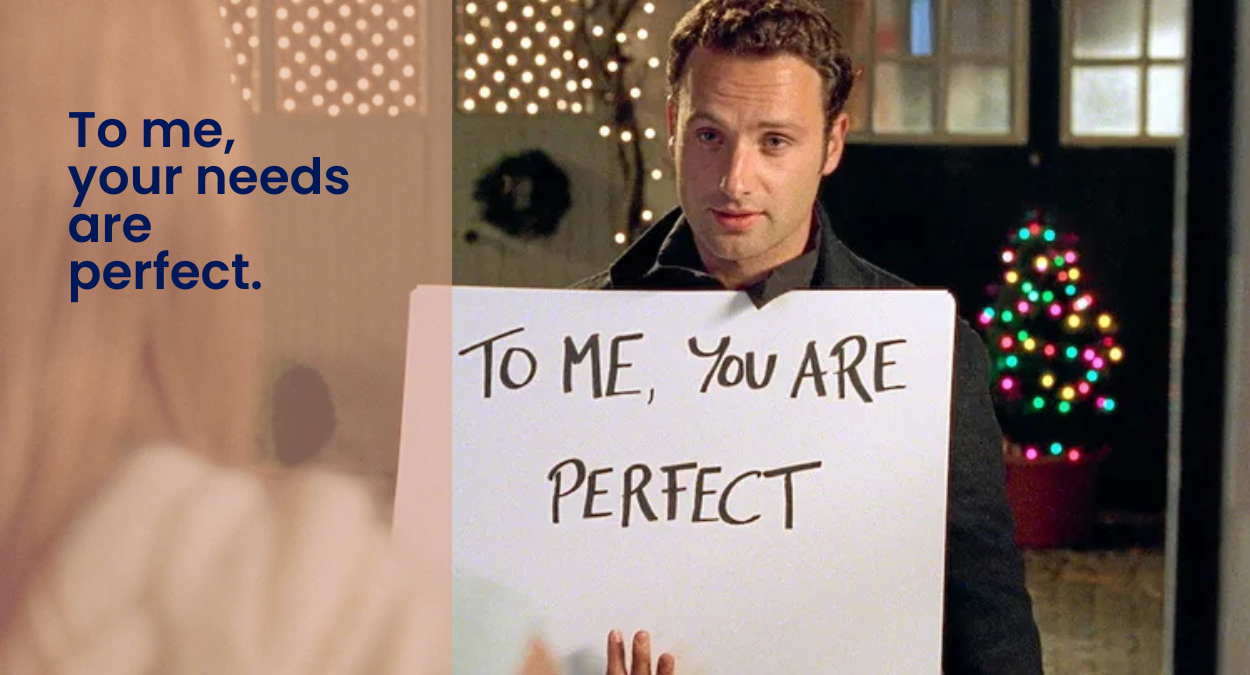
End-of-year gatherings will never be perfect, nor should they be. Even the most heartwarming Christmas classics thrive on chaos before connection. And with PCM as a quiet companion, you can meet your family not with dread but with understanding. You can soften tense moments, protect your own energy, and respond in ways that create real connection. With a bit of awareness and a few PCM-inspired adjustments, this holiday season can feel less like surviving a family movie meltdown… and a little more like the warm, imperfect, human gathering it’s meant to be.
Learn more about

Why the Best Leaders Speak Five Languages
Date: April 1, 2026
Who Decides Your Well-Being: You or Your Feed?
Date: March 9, 2026
Why Motivation Collapses in February A PCM Perspective
Date: February 19, 2026
Blue Monday Chronic Stress PCM: A New Perspective
Date: January 19, 2026
PCM and Competition: Why This Model Stands Apart
Date: November 4, 2025
A Milestone for PCM Research: How Our Personality Shapes Emotional Responses in Communication
Date: October 20, 2025